Get Steel Cladding Installation
Local contractors offer steel cladding installation services to enhance building durability, improve appearance, and address weatherproofing for commercial and residential projects.
Steel cladding installation is a practical upgrade for property owners looking to enhance durability, improve aesthetic appeal, or increase the longevity of their buildings. Whether for commercial or residential properties, choosing the right local contractors can help ensure the project is planned and executed efficiently. Exploring your options within the local area allows for comparison of experienced service providers who understand the specific needs of properties in the region.
Property owners considering steel cladding often do so to protect their buildings from the elements, reduce maintenance requirements, or achieve a modern, sleek appearance. By reviewing local contractors who specialize in cladding installation, you can find professionals equipped to handle various project sizes and requirements. Keep reading to learn more about how local experts can assist in planning and completing your steel cladding project effectively.
- Commercial Building Cladding - when business owners need to upgrade or replace exterior facades for improved durability and appearance.
- Industrial Facility Renovations - during renovations requiring robust and weather-resistant steel cladding solutions.
- New Construction Projects - when developers seek durable and modern exterior finishes for commercial or industrial buildings.
- Facade Repair and Restoration - in cases where existing steel cladding has been damaged or is showing signs of wear.
- Architectural Enhancements - when architects or property owners want to incorporate stylish and functional steel cladding into building designs.
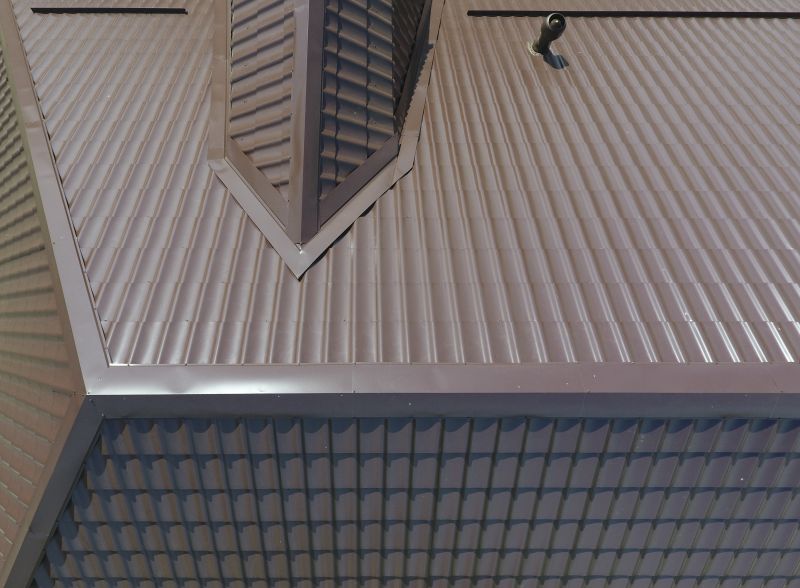
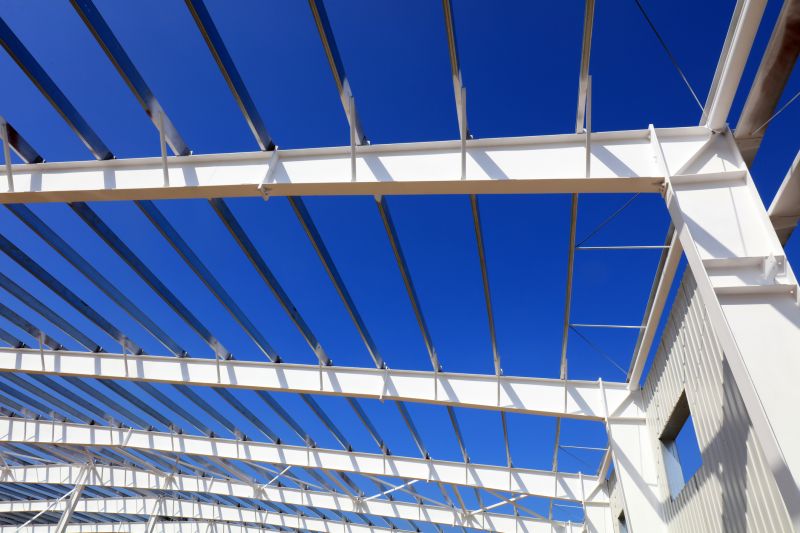
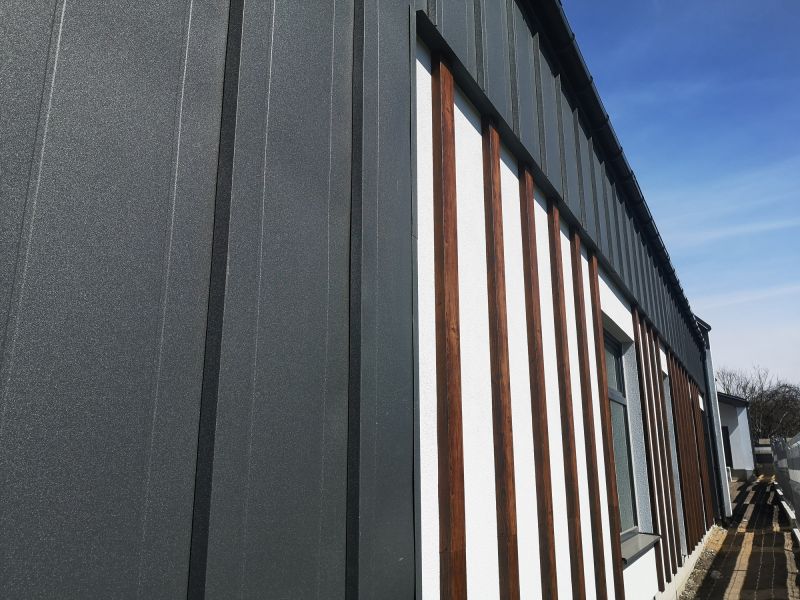
Steel cladding installation involves adding a durable metal exterior to a building’s walls, providing both protection and a modern aesthetic. This service typically includes measuring and preparing the existing surface, selecting appropriate steel panels, and securely attaching them to ensure long-lasting coverage. Skilled contractors use specialized tools and techniques to ensure the cladding fits precisely and maintains its integrity over time. Proper installation not only enhances the appearance of a property but also helps improve its resistance to weather elements and structural wear.
One of the main problems steel cladding helps address is weather-related damage, such as rain, wind, and corrosion. Over time, buildings exposed to harsh conditions can develop issues like rust, leaks, or deterioration of existing exterior materials. Steel cladding acts as a protective barrier, preventing moisture from penetrating the underlying structure and reducing the risk of costly repairs. Additionally, it can help improve insulation and energy efficiency, making a property more comfortable and potentially lowering utility bills.
Steel cladding is commonly used on a variety of property types, including residential homes, commercial buildings, and industrial facilities. Homeowners may choose steel cladding to upgrade the exterior of a house, especially if it has suffered from weather damage or is in need of a facelift. Commercial property owners often opt for steel panels to ensure their buildings are durable and low-maintenance, while industrial sites benefit from the strength and security that steel cladding provides. This versatile material suits properties that require a resilient exterior solution with a sleek, modern look.
Homeowners and property managers who notice issues like peeling paint, rust spots, or water leaks may find steel cladding installation to be a practical solution. It is also a suitable choice for those seeking to improve the overall durability and appearance of their property’s exterior. When considering this service, it’s important to work with experienced local contractors who can assess the specific needs of a property and recommend the best type of steel cladding. Proper installation ensures the benefits of increased protection and aesthetic appeal are fully realized.
The overview below groups typical Steel Cladding Installation projects into broad ranges so you can see how smaller, mid-sized, and larger jobs often compare in your area.
In many markets, a large share of routine jobs stays in the lower and middle ranges, while only a smaller percentage of projects moves into the highest bands when the work is more complex or site conditions are harder than average.
Smaller Repairs - Typical costs for minor steel cladding repairs or patchwork generally range from $250 to $600. Many routine jobs fall within this middle range, depending on the extent of the work needed.
Partial Replacement - Replacing sections of steel cladding usually costs between $1,000 and $3,000. Larger, more involved projects can push costs higher, but most projects stay within this range.
Full Cladding Replacement - Complete installation of new steel cladding can range from $5,000 to $15,000 or more. The final price depends on the size of the building and the complexity of the installation.
Large or Complex Projects - Extensive or custom steel cladding installations may exceed $20,000, with costs influenced by design, materials, and site conditions. Many projects fall into the middle to upper tiers based on scope and scale.
Actual totals will depend on details like access to the work area, the scope of the project, and the materials selected, so use these as general starting points rather than exact figures.
Metal Wall Panel Installation - local contractors experienced in metal wall panels often have the skills needed for steel cladding installation, including handling large panels and precise fastening.
Facade Renovation Projects - professionals working on building facades utilize similar planning, tools, and techniques as those used in steel cladding installation to improve exterior aesthetics and durability.
Architectural Metalwork - projects involving custom metal features require expertise in cutting, shaping, and installing metal materials, aligning closely with steel cladding services.
Exterior Wall Insulation Systems - installing insulation in exterior walls often involves similar preparation and fastening methods as steel cladding, making these skills transferable.
Cladding Replacement and Repair - replacing or repairing existing cladding involves similar removal and installation processes, requiring knowledge of metal mounting systems.
Building Envelope Enhancements - upgrading or modifying building exteriors with new cladding or panel systems involves planning and installation skills comparable to steel cladding projects.
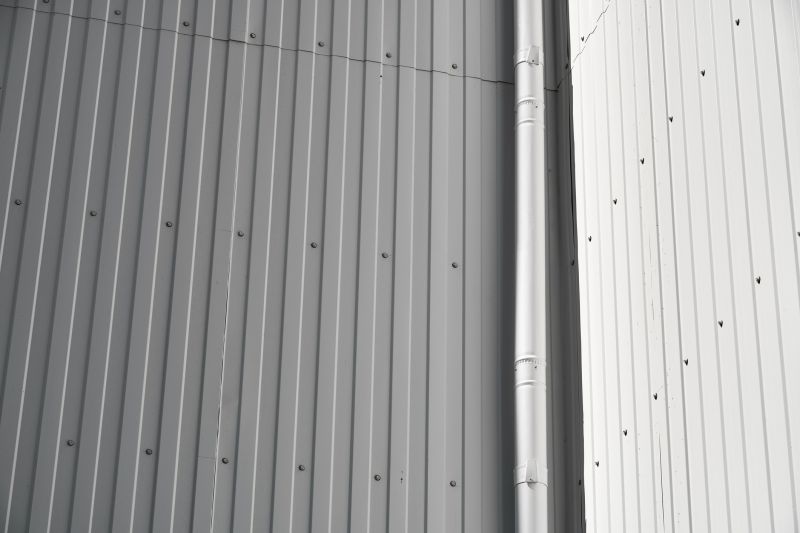
When comparing service providers for steel cladding installation, it’s important to consider their experience with similar projects. Homeowners should look for local contractors who have a proven track record of successfully completing steel cladding work on properties comparable in size and style. A contractor’s familiarity with different types of steel cladding materials and installation techniques can influence the quality and durability of the finished project. Gathering examples of past work or asking for references related to similar installations can provide insight into their expertise and reliability.
Clear, written expectations are essential to ensure that both the homeowner and the contractor are aligned on the scope of work, materials, and standards for the project. When evaluating local service providers, it’s helpful to request detailed proposals or estimates that outline the work to be performed, the materials to be used, and the projected process. This documentation can serve as a reference throughout the project and help prevent misunderstandings. Open communication about project goals and responsibilities fosters a smoother process and contributes to a successful outcome.
Reputable references and effective communication are key indicators of a dependable contractor. Homeowners should seek out local pros who can provide contact information for previous clients or showcase reviews that highlight their professionalism and quality of work. Good communication involves timely responses to questions, transparency about processes, and a willingness to address concerns. Connecting with service providers who prioritize clear, ongoing dialogue can help ensure that expectations are managed and that the project proceeds efficiently. It’s important to remember that this site introduces homeowners to local options, not that it performs the work itself.
Property owners use Steel Cladding Installation services for practical projects around their homes and businesses. This guide focuses on everyday jobs and straightforward project options.
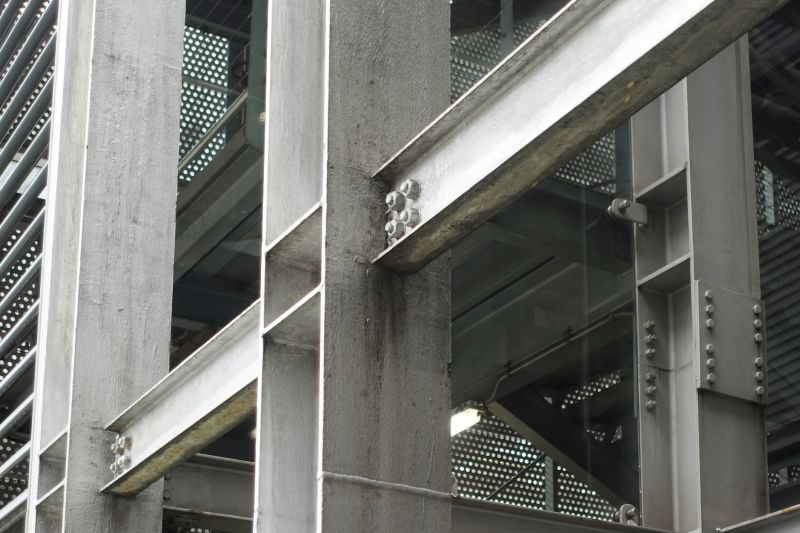
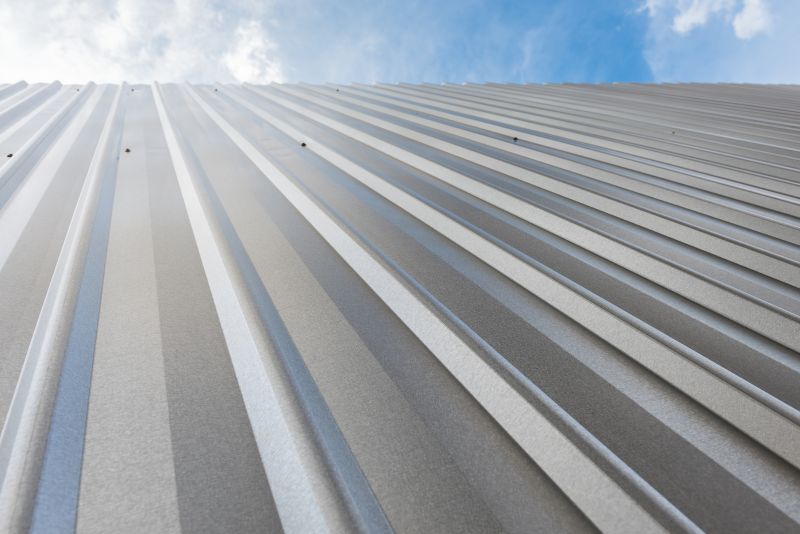
Steel cladding installation is a common project for property owners looking to improve the durability and appearance of their buildings. Whether replacing old, worn-out panels or upgrading to a more modern, weather-resistant exterior, many local property owners seek the expertise of experienced contractors to ensure a quality finish. These projects often arise during renovations, repairs after storm damage, or when updating a commercial or residential property to meet new aesthetic or functional standards.
Local contractors who specialize in steel cladding can assist with a variety of needs, from ensuring the proper installation of panels to advising on the best materials for specific environments. Property owners might look for these services to enhance energy efficiency, reduce maintenance costs, or simply improve the overall look of their buildings. Connecting with trusted service providers can help ensure the work is completed efficiently and to the desired standards.
What is steel cladding installation? Steel cladding installation involves attaching steel panels to the exterior of a building to enhance durability and appearance. Local contractors can handle the process efficiently and professionally.
What types of steel cladding are available? There are various types of steel cladding, including corrugated, standing seam, and textured panels. Service providers can help determine the best option for specific building needs.
How is steel cladding installed on different building types? Installation methods vary based on building design, with options for residential, commercial, and industrial structures. Local contractors tailor their approach to each project.
What preparation is needed before steel cladding installation? Proper surface preparation, including cleaning and framing, is essential. Service providers typically handle these steps as part of their installation process.
Can steel cladding be customized to match building styles? Yes, steel cladding can be customized in terms of color, texture, and finish to complement the overall aesthetic of a building. Local pros can provide guidance on available options.
Enhance Building Aesthetics - Property owners can improve the visual appeal of their buildings by installing stylish steel cladding that complements existing architecture.
Improve Weather Resistance - Installing steel cladding provides an extra layer of protection against harsh weather conditions, helping to preserve the building’s exterior.
Upgrade Exterior Insulation - Steel cladding can be used to add insulation to exterior walls, making indoor spaces more comfortable and energy-efficient.
Modernize Commercial Spaces - Business owners may choose steel cladding to give their storefronts a contemporary look while increasing durability.
If you are thinking about Steel Cladding Installation for a property, this guide is meant to help you understand the work, the typical project types, and how different options might fit your plans.
When you are ready, you can use the quote form on this page to share a few details about your project. From there, local pros can review the basics and respond with options that match what you have in mind.